
Our approach
Technology is not an end in itself. A good solution makes a task easier, a process clearer or a message more accessible. It remains maintainable, understandable and honest about effort and impact.
Custom software development
We begin with a shared clarification: Which problem should the software solve, whom should it serve, and which first step makes sense?
This may lead to a focused prototype, an MVP, or a system used in daily work. We accompany Church organizations, initiatives, and businesses from the first questions through operation.
“Technology has the power to heal, connect, educate and protect our common home; but it can also divide, exclude and generate new forms of injustice.”
From our own practice
Each FaithOS project brings different subject and technical questions. We bring what we learn into client work, from personal user journeys to tools for parishes.
Clarity before speed
Some questions can be answered with a focused prototype. In other cases, a first working version makes more sense. We make assumptions visible and decide on the path together.
Technology is not an end in itself. A good solution makes a task easier, a process clearer or a message more accessible. It remains maintainable, understandable and honest about effort and impact.
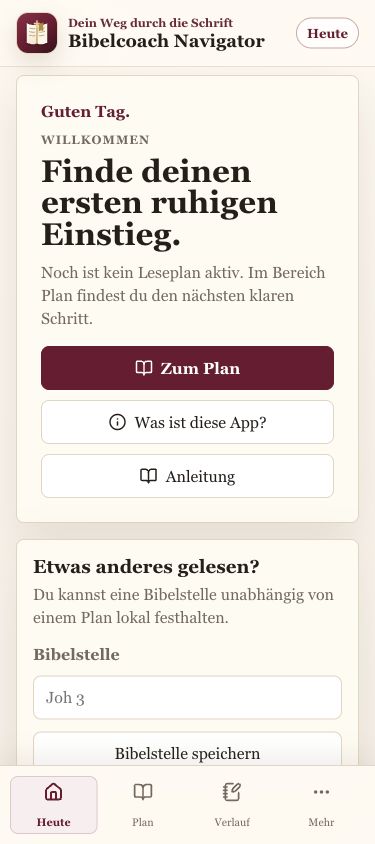
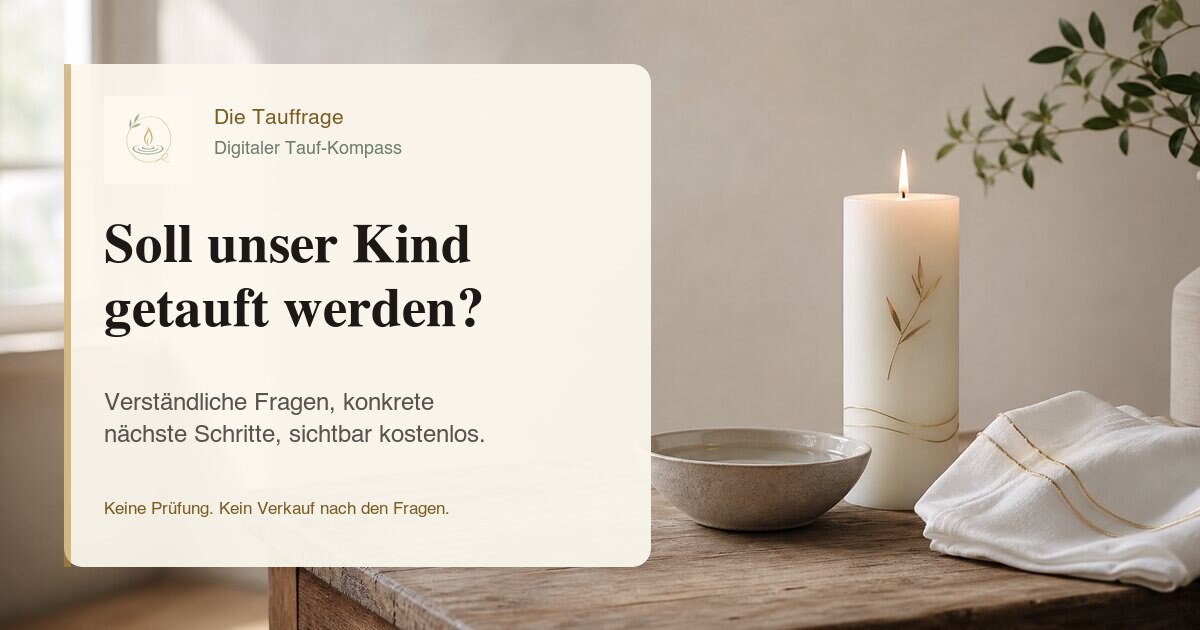
FaithOS grew from our own digital projects. Through them, we learn to make content understandable, user journeys accessible and software dependable. Browse the FaithOS projects for an overview.
What we can contribute
Custom applications, internal tools, platforms, databases, integrations and workflows that solve a real problem in a focused way.
Clear websites, structured content, usable CMS or Jamstack solutions and digital presences that remain findable, understandable and maintainable.
We use AI where it has a concrete purpose: in prototypes, implementation, or as an application feature. Architecture and quality remain our responsibility.
From an unclear beginning to prioritized steps: goals, users, risks, MVP, project steering and ongoing decisions in view of the real goal.
Durable technical decisions, clean handovers, tests, continuous integration and code that remains understandable after the first launch.
Software does not end at launch. We consider operations, maintenance, security, performance and later extensions from the beginning.
FaithOS
FaithOS grows out of gratitude. We did not create or earn the faith. That is why digital paths of faith should be freely available where they help people come closer to Christ.
At the same time, reliable work needs care, time and responsibility. "The laborer deserves his payment." (Luke 10:7) Donations help us maintain FaithOS and develop it further.
Using the bell in the lower right corner, you can send feedback, pray for FaithOS, or support the work with a one-time or recurring donation.
Client work
For Church organizations and businesses, we take responsibility for product clarification, implementation and technical decisions. We keep the effort proportionate to the task and make decisions understandable.
In the first conversation, we listen, ask questions and clarify which next step makes sense. It also matters to us that the collaboration works well, both professionally and personally.
We learn about the problem, context, audience and success criteria and test the most important assumptions.
We deliver in meaningful steps: prototype, MVP or software that can already be used in production.
We remain available for operations, improvement and the next product decisions, so the system keeps serving the goal.